Common Foundation Problems and How to Fix Them
Foundation issues are among the most concerning problems a homeowner can face. The foundation of a building supports the entire structure, and when problems arise, they can affect the stability, safety, and value of the property. Common foundation problems include settlement, cracking, and moisture intrusion. Recognizing the early signs of these issues and understanding the available repair approaches can help property owners make informed decisions about maintenance and remediation. While each situation is unique, the methods used to address foundation concerns typically involve a combination of structural reinforcement and drainage improvements.
Foundation settlement occurs when the soil beneath a building compresses or shifts, causing parts of the foundation to sink unevenly. This can happen due to changes in soil moisture, poor compaction during construction, or the presence of expansive soils. Cracking, on the other hand, may result from settlement, temperature changes, or the natural curing process of concrete. Moisture issues often arise from inadequate drainage, high groundwater levels, or leaking pipes. Early detection of these problems allows for more straightforward intervention, potentially reducing the extent of required repairs.
This article provides an overview of the signs associated with common foundation problems and explains the repair techniques frequently used by professionals. The focus is on understanding the processes involved rather than offering specific recommendations, as the appropriate solution depends on a thorough evaluation by a qualified structural engineer or foundation specialist.
Signs of Foundation Settlement
Settlement is a gradual process, and its signs often appear slowly over time. One of the most noticeable indicators is uneven or sloping floors. Homeowners may observe that a marble or ball rolls to one side of a room, or that furniture seems to tilt. Another common sign is doors and windows that begin to stick or fail to close properly. This happens because the frame shifts slightly as the foundation moves, throwing the door or window out of alignment.
Cracks in walls, particularly around door frames, window corners, or where walls meet the ceiling, can also point to settlement. Exterior signs include gaps between the foundation and the siding, as well as cracks in brickwork or masonry that follow a stair-step pattern. In more advanced cases, a chimney may lean away from the house, or the roofline may appear uneven. It is worth noting that not all cracks indicate serious settlement—some are cosmetic and related to normal shrinkage—but any significant or growing cracks deserve professional attention.
Understanding Foundation Cracking
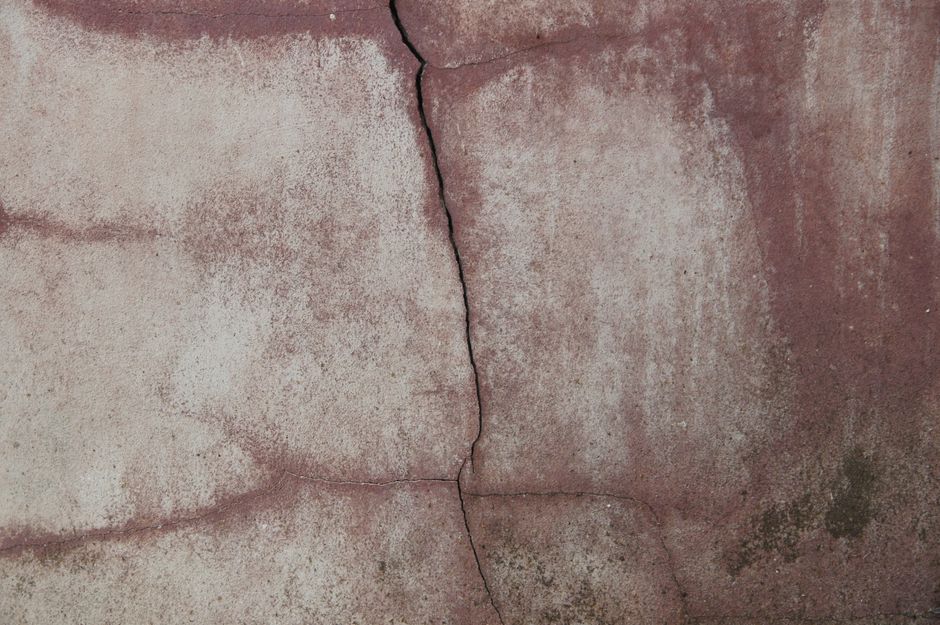
Cracking in foundation walls and slabs is a frequent concern. The type, location, and orientation of a crack provide clues about its cause and severity. Vertical cracks are often the result of concrete curing or minor settlement and may not require extensive repair if they remain narrow and stable. Horizontal cracks, however, are more concerning because they can indicate lateral pressure from the surrounding soil, which often occurs in basements or retaining walls. Stair-step cracks that follow the mortar lines in block or brick foundations typically signal differential settlement.
Hairline cracks less than 1/16 inch wide are generally considered cosmetic, but they can widen over time if underlying conditions are not addressed. Cracks that are wider at the top than at the bottom may suggest foundation heave, while cracks wider at the bottom often point to settlement. Efflorescence—a white, chalky residue—along cracks or on basement walls can indicate moisture movement through the foundation. Monitoring crack width and length over several months can help determine whether the movement is active or has stabilized. A structural evaluation is recommended when cracks exceed 1/4 inch in width, appear in multiple locations, or are accompanied by other signs of movement.
Moisture and Drainage Issues
Moisture is one of the primary contributors to foundation problems. When water accumulates around the base of a building, it can saturate the soil, leading to expansion (in clay soils) or loss of bearing capacity (in sandy soils). This cycle of wetting and drying can cause the foundation to move repeatedly, a process known as cyclical settlement. Poor drainage is often the root cause: downspouts that discharge too close to the foundation, improper grading that directs water toward the house, or missing gutters can all contribute.
Signs of moisture problems include dampness or water stains on basement walls, musty odors, the presence of mold or mildew, and efflorescence. In crawl spaces, standing water or high humidity levels can lead to wood rot and attract pests. Hydrostatic pressure—the force exerted by groundwater against the foundation—can cause bowing or buckling of basement walls. Addressing moisture typically involves improving surface drainage, such as regrading the soil around the house or extending downspouts away from the foundation. In some cases, interior or exterior drainage systems like French drains or sump pumps are installed to manage groundwater. A comprehensive moisture assessment considers both surface water and subsurface conditions.
Repair Methods for Foundation Problems
Once a foundation problem has been diagnosed, several repair methods are available, depending on the nature and extent of the issue. Underpinning is a common technique used to stabilize a foundation that has settled. This involves extending the foundation downward to a more stable soil layer or bedrock. There are two main types of underpinning: helical piers and push piers. Helical piers are screwed into the ground and can be installed in spaces with limited access. Push piers are driven into the soil until they reach load-bearing strata. Both systems transfer the weight of the structure to deeper, more stable soil. Companies like BuildCore often evaluate soil conditions and structural loads before selecting the appropriate pier type.
For foundations that have settled but are still structurally sound, slab jacking (also known as mudjacking or polyurethane foam injection) can be used to raise the slab. A grout mixture or expanding foam is pumped beneath the concrete to fill voids and lift the slab to its original level. This method works best for concrete slabs and walkways, though it is not suitable for all foundation types. For bowing basement walls, wall anchors or carbon fiber reinforcement strips can be installed to resist further inward movement. Wall anchors involve driving steel plates into the soil outside and connecting them to interior wall plates with steel rods; carbon fiber straps are bonded to the wall to add tensile strength.
Drainage improvements are often part of a complete foundation repair plan. Installing a French drain around the perimeter of the foundation, either inside the basement or outside, helps collect and divert groundwater away from the structure. Sump pumps are used to remove water that accumulates in a collection basin. Waterproofing coatings or membranes can also be applied to exterior walls to reduce moisture penetration. The choice of repair method depends on factors such as soil type, foundation material, the extent of damage, and local climate conditions.
Preventative Measures and Long-Term Maintenance
Preventing foundation problems is often more straightforward than repairing them. Consistent moisture management around the foundation is key: soil should slope away from the building at a rate of at least 6 inches over 10 feet. Gutters and downspouts should be kept clean and discharge water at least 5 to 10 feet from the foundation. Landscaping features such as trees and shrubs should be planted at a distance that prevents roots from drawing moisture from the soil near the foundation.
During dry periods, maintaining consistent soil moisture can prevent shrinkage and cracking in expansive clay soils. A soaker hose placed a few feet from the foundation can help keep the soil evenly moist. Conversely, during heavy rains, ensuring that water does not pond near the foundation is important. Periodic inspections of the foundation for new cracks, changes in floor levelness, or sticking doors can catch issues before they escalate. While not all foundation movement can be prevented, proactive maintenance reduces the likelihood of significant damage. Consulting a foundation specialist for periodic inspections, particularly in regions with problematic soils, is a reasonable approach for long-term building care.