The roof serves as the primary barrier between a home and the environment, affecting both comfort and structural integrity. Selecting the appropriate roofing material requires a careful review of several characteristics, including durability, cost, aesthetic fit, and regional climate conditions. This guide examines four common options—asphalt shingles, metal roofing, clay tiles, and slate—to provide a clear understanding of their respective properties and considerations.
Each roofing material offers a unique combination of advantages and limitations. The decision process often involves balancing upfront costs with long-term performance, as well as accounting for architectural style and local building practices. Professional installation, such as that provided by BuildCore, can help ensure that the material functions as intended over its expected service life.
Asphalt Shingles
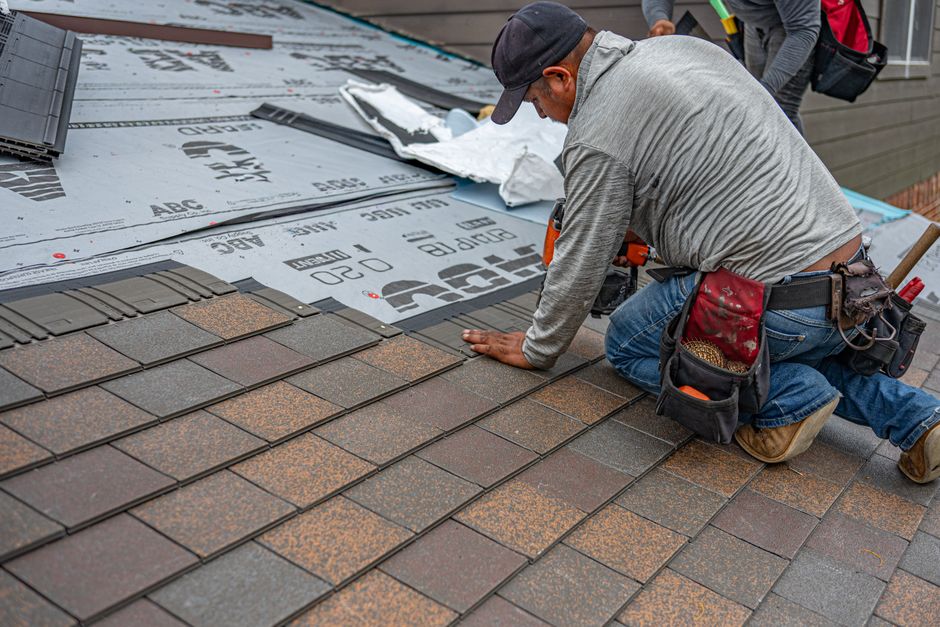
Asphalt shingles are among the most frequently specified roofing materials in residential construction across the United States. They consist of a base mat, either fiberglass or organic, coated with asphalt and surfaced with mineral granules. This composition provides a level of fire resistance and weather protection. Asphalt shingles are available in various styles, including three-tab and architectural laminates, which offer different dimensional appearances. The typical lifespan of a properly installed asphalt shingle roof ranges from 20 to 30 years, though factors such as ventilation, sun exposure, and storm events can influence longevity. Maintenance generally involves periodic inspections and replacement of damaged shingles.
From a cost perspective, asphalt shingles are often more affordable than many alternative materials. They are relatively lightweight, which reduces the need for structural reinforcement. However, they are more susceptible to impact damage from hail and high winds compared to metal or slate. Their thermal performance can be improved with reflective granules or proper attic insulation. When considering long-term value, homeowners may factor in the potential for multiple replacements over the life of the building. Asphalt shingles remain a practical choice for many budget-conscious projects where moderate durability is acceptable.
Metal Roofing
Metal roofing encompasses a range of products made from steel, aluminum, copper, or zinc. These materials are formed into panels or shingles that mimic traditional roofing profiles. Metal roofs are known for their extended service life, often exceeding 50 years when properly installed and maintained. They are non-combustible and can resist wind uplift effectively, making them suitable in regions prone to wildfires or severe storms. The installation process requires attention to expansion joints and proper fastening to prevent leaks over time. Skilled contractors understand these technical requirements, and companies like BuildCore offer expertise in metal roof installation.
One notable attribute of metal roofing is its solar reflectance, which can reduce cooling energy consumption in warmer climates. However, without adequate insulation, the metal can transfer heat into the attic. Metal roofs are lightweight, which may simplify structural requirements. The initial cost is generally higher than asphalt shingles, but the longevity and low maintenance needs can offset the investment over decades. Regular maintenance includes clearing debris and inspecting flashings. Metal roofing is available in a wide range of colors and finishes, providing design flexibility while delivering robust performance.
Clay Tiles
Clay tiles have been used for centuries and remain a popular choice for homes with Mediterranean, Spanish, or Southwestern architecture. The tiles are manufactured by firing natural clay at high temperatures, resulting in a hard, waterproof product. They offer excellent resistance to fire, insects, and rot. A clay tile roof can last more than 100 years with proper care, though individual tiles may crack and require replacement. The weight of clay tiles is considerable, often requiring additional structural support during construction or retrofit. This factor must be evaluated early in the planning process.
Installation of clay tiles demands precision to ensure proper interlocking and drainage. The tiles are brittle and can break under foot traffic or impact from large hail. In freeze-thaw climates, water intrusion behind tiles can cause damage if the underlayment is not robust. Clay tiles provide natural thermal mass, helping to stabilize indoor temperatures. Their color stability is high, and they do not fade significantly over time. The total cost of a clay tile roof is higher than both asphalt and metal, but the aesthetic appeal and longevity may justify the expense for homeowners seeking a distinctive and durable roofing solution.
Slate
Slate is a natural metamorphic stone that is quarried and split into thin, durable roofing tiles. It is valued for its unmatched longevity, with many slate roofs lasting 75 to 200 years or more. Slate is completely fireproof, impervious to moisture, and resistant to extreme weather conditions. The natural cleft surface of slate provides a textured appearance that enhances the character of traditional and historic homes. However, slate is one of the heaviest roofing materials, often requiring a reinforced roof structure. The installation process is labor-intensive and requires specialized skills to achieve proper overlap and fastening.
Maintenance of a slate roof typically involves periodic inspections and replacement of broken or slipped tiles. Because slate is brittle, walking on the roof for maintenance should be done with caution. The initial investment for slate is substantial, and repairs can be costly due to the need for matching stone and skilled labor. Nonetheless, for homeowners who prioritize longevity and natural beauty, slate offers a performance that few other materials can match. As with any roofing material, proper installation and adherence to manufacturer guidelines contribute significantly to the roof’s performance over time.
Factors That Influence Material Selection
Choosing among these roofing materials involves more than comparing their inherent properties. Project-specific factors such as local climate, budget constraints, and structural capacity play a decisive role. For example, regions with high snowfall may benefit from metal’s smooth surface that sheds snow easily, whereas clay tiles may require additional measures to prevent ice damming. Similarly, areas with frequent hailstorms might favor metal or impact-resistant asphalt shingles over more brittle materials like slate or clay. Local building codes and homeowners association rules can also restrict certain materials or colors, so verifying compliance early is advisable.
Long-term cost analysis should include not only the initial material and installation expenses but also expected maintenance and replacement intervals. Energy efficiency goals may influence the choice of reflective coatings or thermal mass properties. Aesthetic preferences must align with the architectural style of the home and the surrounding neighborhood. Consulting with experienced roofing professionals, such as those at BuildCore, can provide valuable insight into how these factors interact with each material. The final decision depends on a careful evaluation of all these elements within the specific context of the project.